
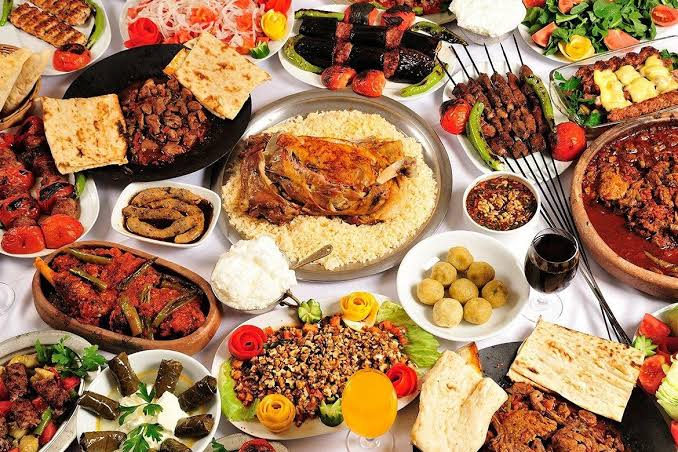
Turkish food is not just a collection of recipes; it is a profound cultural heritage that has been shaped by centuries of history, geography, and the convergence of diverse civilizations. As we move into 2026, the global interest in Mediterranean and Middle Eastern diets has brought Turkish cuisine to the forefront of international gastronomy. From the sizzling kebabs of the Southeast to the olive oil-infused dishes of the Aegean coast, every bite tells a story of tradition and hospitality.
The Ritual of Turkish Breakfast (Kahvaltı)
In Turkey, breakfast is not just a meal to start the day; it is a social event. The word “Kahvaltı” literally translates to “under-coffee,” meaning the food you eat before drinking the famous Turkish coffee. A typical 2026 Turkish breakfast spread includes multiple types of cheeses (Ezine, Tulum, Kaşar), green and black olives, fresh tomatoes, cucumbers, and spicy peppers.
One cannot mention breakfast without Menemen. This scrambled egg dish with tomatoes, green peppers, and spices is a staple. To attract international foodies, always mention that dipping fresh sourdough bread into the juices of Menemen is the ultimate Turkish experience. For those interested in meeting locals and discussing these traditions, joining a Turkish chat platform can provide authentic insights into regional breakfast variations.
Beyond the Doner: The World of Kebabs
While the world knows “Doner,” Turkish kebab culture is incredibly diverse. Each city in Turkey has its own signature meat dish. Adana Kebab, made with hand-chopped lamb meat and tail fat, offers a spicy kick that meat lovers crave. On the other hand, İskender Kebab provides a rich experience with its thin slices of grilled lamb, hot tomato sauce, and browned melted butter poured over pita bread.
In 2026, modern Turkish chefs are focusing more on “Slow Food” movements, emphasizing the importance of wood-fired ovens and organic meat sourcing. This shift ensures that traditional flavors remain authentic while meeting modern health standards. If you want to learn the secret spice blends from real Turkish home cooks, participating in international chat rooms dedicated to food can be very helpful.
Vegetarian and Vegan Friendly: The Olive Oil Dishes (Zeytinyağlılar)
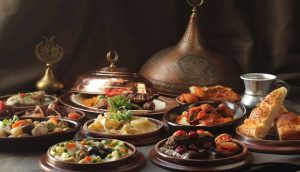
Many people mistakenly think Turkish cuisine is only about meat. However, the “Zeytinyağlı” (Olive Oil) category is a paradise for vegetarians and vegans. Dishes like Yaprak Sarma (stuffed vine leaves), İmam Bayıldı (stuffed eggplant), and Barbunya (cranberry beans in tomato sauce) are served cold and are essential for summer dining.
The health benefits of the Mediterranean diet are well-documented on sites like Healthline, and Turkish olive oil dishes are a cornerstone of this lifestyle. These dishes rely on the quality of the oil and the freshness of the vegetables, often enhanced with a squeeze of lemon and a pinch of parsley.
The Street Food Culture
Walking through the streets of Istanbul or Izmir in 2026, the aroma of street food is unavoidable. Simit, the circular bread encrusted with sesame seeds, is the “Turkish bagel” and the most common snack. Then there is Balık Ekmek (fish sandwich) by the Bosphorus, which offers a unique smoky flavor that connects the city to the sea.
Midye Dolma (stuffed mussels with herbed rice) is another street staple that people enjoy late at night. It is not just about the food; it’s about the interaction with the vendor, the quick chat, and the shared atmosphere of the city streets.
Turkish Desserts: More Than Just Baklava
Turkish desserts are legendary. Baklava, with its thin layers of phyllo pastry and pistachios soaked in syrup, is the crown jewel. However, 2026 trends show a rising interest in milk-based desserts like Sütlaç (baked rice pudding) and the mysterious Tavuk Göğsü (chicken breast pudding), which, despite its name, is a sweet and creamy delight.
Then there is Künefe, a cheese-filled pastry drizzled with syrup and topped with crushed pistachios. It is best eaten hot, where the cheese pull creates a visual and culinary masterpiece. These desserts are traditionally accompanied by Turkish Tea served in tulip-shaped glasses, symbolizing friendship and hospitality.
Conclusion: Why Turkish Food Unites People
The essence of Turkish cuisine lies in the “Sofralar” (dining tables). Whether it is a simple home meal or a grand feast, the focus is on sharing. In a digital world, this spirit of sharing has moved to online platforms. If you are curious about Turkish culture or want to find the best local recipes, engaging with people through a global chat network is the best way to get first-hand information.
Turkish food is a bridge between East and West, ancient and modern. By exploring these dishes, you are not just eating; you are participating in a 2026 culinary revolution that values history, flavor, and human connection.